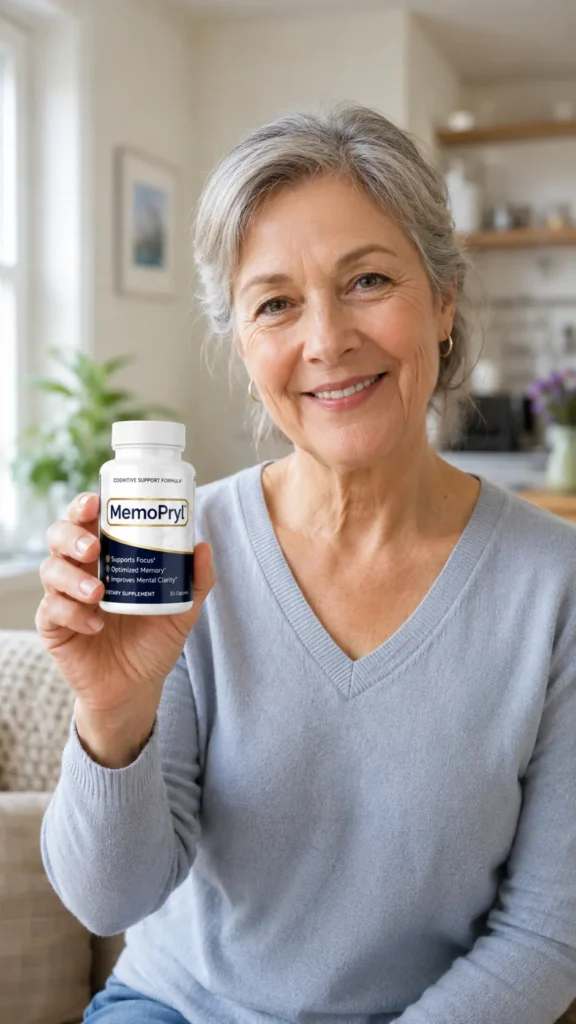
MemoPryl has attracted attention in the growing market of brain-health supplements. Marketed toward adults who want support for memory, concentration, focus, and mental clarity, the product belongs to the broader category of nutritional formulas often called nootropics.
But a supplement can have an impressive marketing message without necessarily having strong evidence behind every claim.
So, what should consumers know before considering MemoPryl?
This independent-style review looks at what MemoPryl is marketed for, its reported ingredients, potential benefits, limitations, safety considerations, and the questions buyers should ask before purchasing.
What Is MemoPryl?
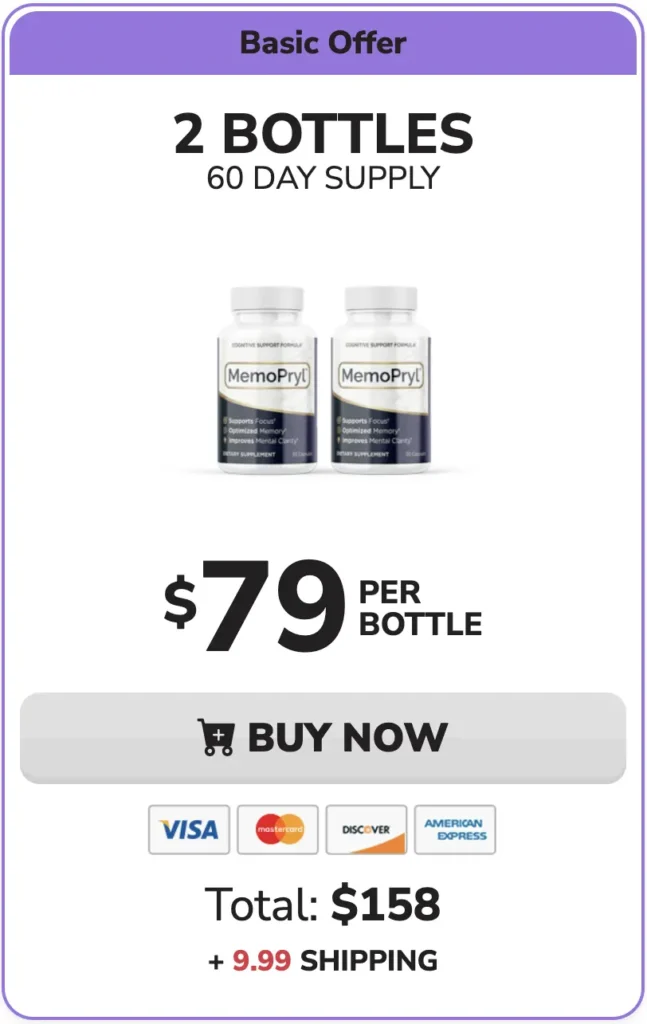
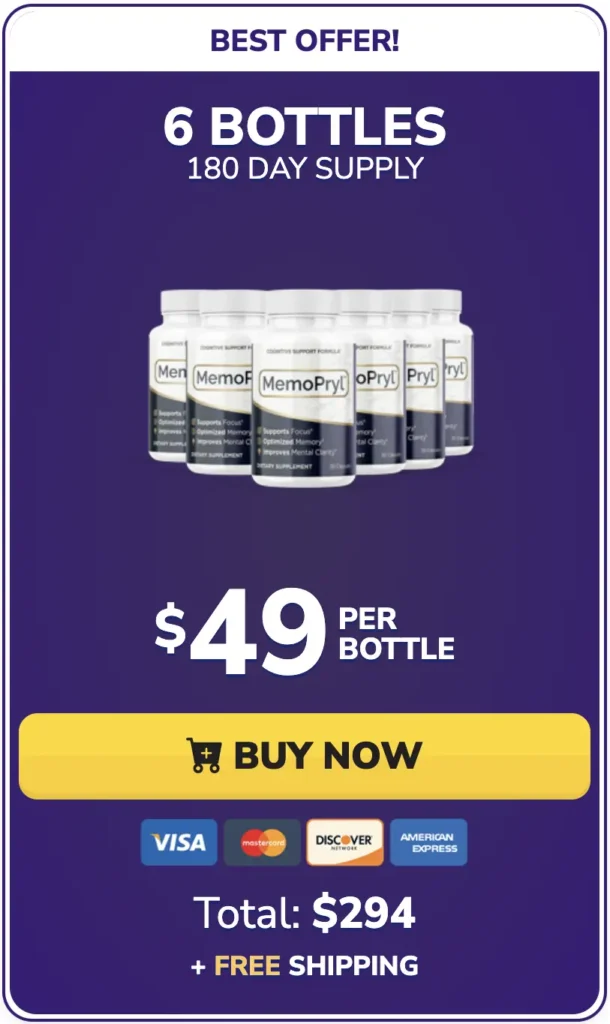
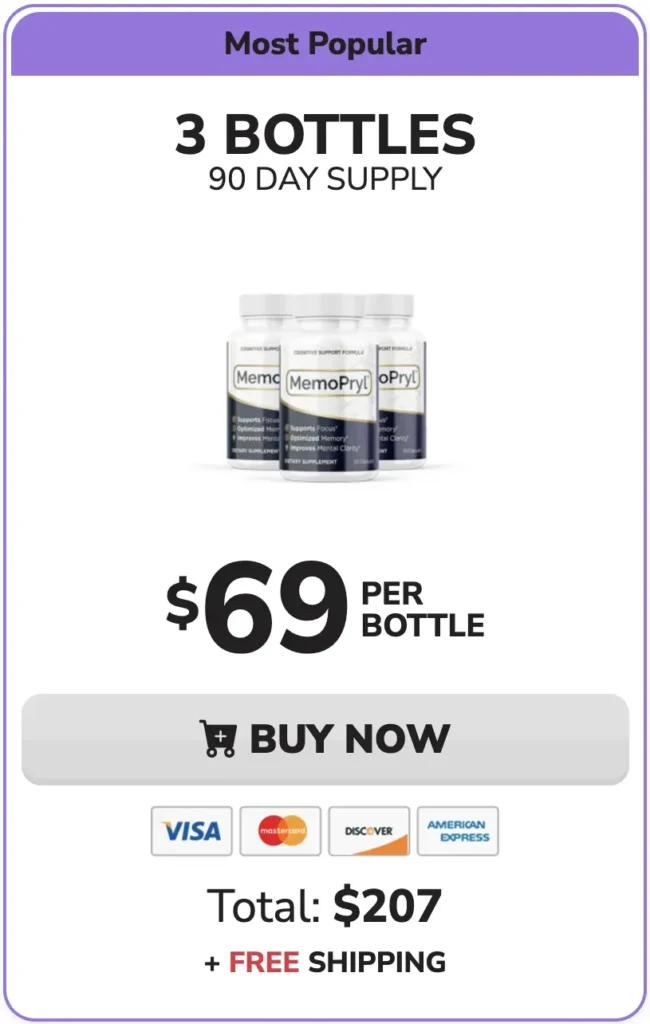
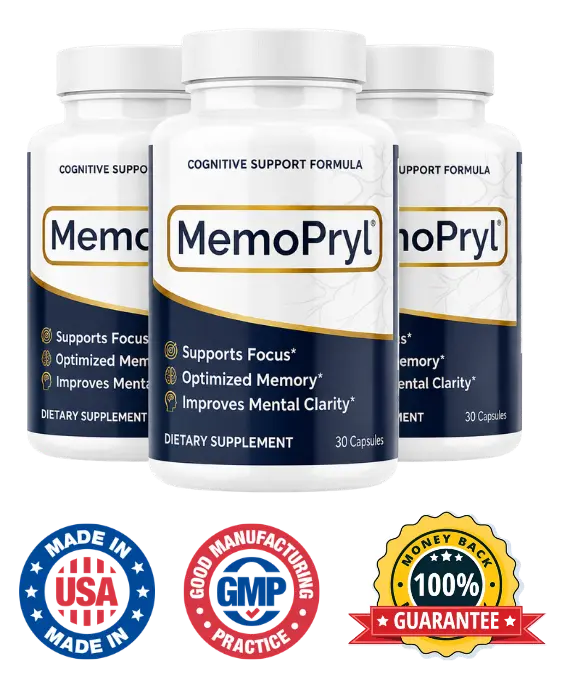
MemoPryl is marketed as a dietary supplement intended to support normal cognitive function and brain health.
The idea behind the product is relatively straightforward: combine several nutritional and botanical compounds that have been researched individually for their potential relationship with memory, attention, brain function, or mental performance.
Unlike a prescription drug, MemoPryl should not be viewed as a treatment for Alzheimer’s disease, dementia, or another neurological condition.
Its role is better described as supplementary nutritional support.
Why Are People Interested in Memory Supplements?
Occasional forgetfulness is something many people experience.
Forgetting a name, losing track of where you placed something, or struggling to concentrate after a poor night’s sleep doesn’t necessarily indicate a serious problem. Lifestyle factors such as stress, sleep quality, diet, age, workload, and physical activity can all influence how mentally sharp a person feels.
This is one reason the brain-health supplement category has grown.
Products such as MemoPryl attempt to appeal to consumers looking for additional nutritional support alongside a healthy lifestyle.
The important question is whether the ingredients actually provide meaningful benefits.
MemoPryl Ingredients: What Is Reported?
The exact MemoPryl formula should be verified from the packaging because online sources have published different ingredient information.
Some sources associate MemoPryl with ingredients such as:
- Ginkgo biloba
- Bacopa monnieri
- Phosphatidylserine
- Alpha-GPC
- Huperzine A
- N-acetyl-L-carnitine
- L-glutamine
- St. John’s wort
The presence and dosage of these ingredients should be confirmed on the Supplement Facts label of the particular MemoPryl product being purchased.
That distinction matters because the amount of an ingredient can be just as important as its name.
A Closer Look at the Formula
Ginkgo Biloba: A Familiar Name in Brain Supplements
Ginkgo biloba has a long history of use in herbal products.
It contains compounds with antioxidant properties and has been investigated for its relationship with circulation and cognitive function.
Although ginkgo is frequently marketed for memory, research results are not universally positive. Consumers should therefore avoid assuming that taking ginkgo automatically produces better memory.
Bacopa Monnieri: Traditional Herb With Modern Interest
Bacopa monnieri is another ingredient frequently seen in cognitive-support products.
It has traditionally been used in Ayurvedic practices and has attracted scientific interest because of possible effects on learning and memory.
The quality and concentration of a Bacopa extract can vary considerably, however, so simply seeing “Bacopa” on a label does not tell the whole story.
Phosphatidylserine: A Brain-Related Nutrient
Phosphatidylserine is a naturally occurring component of cell membranes.
Because of its role in cellular structure and signaling, it has been investigated as a nutritional ingredient for cognitive support.
Some studies have explored its potential relationship with memory and age-related cognitive changes, but that research should not be interpreted as proof that every phosphatidylserine supplement produces the same result.
Alpha-GPC: A Source of Choline
Alpha-GPC is another compound commonly found in nootropic formulas.
It provides choline, a nutrient involved in the production of acetylcholine. Acetylcholine plays important roles in memory, learning and nervous-system communication.
This makes Alpha-GPC an appealing ingredient for memory-oriented supplements.
Huperzine A: An Ingredient That Deserves Attention
Huperzine A is derived from a plant source and has been studied for its effect on acetylcholinesterase.
Because acetylcholine is involved in cognitive processes, Huperzine A has become popular in certain memory supplements.
However, this is also an ingredient where consumers should avoid assuming that a biological mechanism automatically translates into noticeable cognitive improvement.
N-Acetyl-L-Carnitine
N-acetyl-L-carnitine is related to carnitine, a compound involved in cellular energy metabolism.
It has been researched in connection with neurological and cognitive health and is sometimes used in products designed for mental energy and brain support.
Again, evidence for an individual compound should not be confused with clinical proof for the complete MemoPryl product.
St. John’s Wort
St. John’s wort is traditionally associated with mood support.
It is particularly important from a safety perspective because it can interact with numerous medications.
Anyone taking prescription medication should check with a healthcare professional before using a product containing St. John’s wort.
What Benefits Does MemoPryl Claim to Offer?
MemoPryl’s marketing centers around cognitive wellness rather than a single narrowly defined benefit.
Memory Support
Memory is the most obvious focus.
The formula is marketed toward people who want nutritional support for remembering information and maintaining normal cognitive performance.
However, there is a major difference between supporting normal brain function and treating clinically significant memory impairment.
Focus and Concentration
Another potential reason people consider MemoPryl is concentration.
A multi-ingredient formula containing compounds associated with brain function may be appealing to people who occasionally experience difficulty staying focused.
The actual experience, however, can vary from person to person.
Mental Clarity
“Brain fog” is a popular term used to describe feelings such as sluggish thinking, difficulty concentrating or forgetfulness.
MemoPryl is marketed toward this broader area of mental clarity.
But brain fog can have many possible causes. Poor sleep, stress, illness, medications and lifestyle factors can all contribute, meaning a supplement isn’t necessarily the appropriate answer for everyone.
Long-Term Brain Wellness
MemoPryl may also appeal to consumers who are thinking about maintaining cognitive health as they get older.
That is a reasonable goal, but supplementation is only one small part of the picture.
Regular exercise, sufficient sleep, a balanced diet, social engagement and management of cardiovascular health are also important considerations for healthy aging.
Does the MemoPryl Formula Have Strong Evidence?
This is perhaps the most important question in the entire review.
Several ingredients associated with MemoPryl have been studied independently. That gives the formula some scientific background, but it does not establish that MemoPryl itself has been clinically proven to deliver the same benefits.
There is a crucial distinction between:
Ingredient research → research involving a specific compound
and
Product research → controlled clinical trials involving the finished product
Consumers should look for the second type of evidence when a company makes strong claims about a finished supplement.
Without high-quality trials on the exact formulation, it is difficult to determine how effective MemoPryl will be for a particular person.
What Could Make MemoPryl Appealing?
There are several reasons consumers might be interested in the product.
Multi-ingredient approach: Rather than relying on one compound, MemoPryl is marketed around a combination of ingredients.
Brain-health positioning: The formula is specifically targeted toward memory, focus and cognitive wellness.
Convenience: A single supplement may be easier for some people than purchasing multiple individual ingredients.
Familiar ingredients: Several of the reported ingredients are commonly discussed in the nootropic and cognitive-health categories.
What Should Buyers Be Cautious About?
The product also has limitations.
1. Verify the Formula
Because different online sources currently provide different ingredient lists, checking the physical product label is particularly important.
2. Look at Dosages
An ingredient list alone doesn’t tell you whether the product contains a meaningful amount of each ingredient.
3. Don’t Confuse Marketing With Clinical Proof
Words such as “supports,” “enhances,” or “boosts” are not equivalent to evidence that a supplement treats a medical condition.
4. Consider Medication Interactions
Some botanical ingredients can interact with prescription medications. St. John’s wort is a particularly important example.
5. Be Skeptical of Guaranteed Results
No legitimate supplement should be expected to produce identical results for everyone.
MemoPryl vs. Lifestyle Changes
A common mistake with cognitive supplements is treating them as a substitute for healthy habits.
If someone regularly sleeps only a few hours, eats poorly, rarely exercises and experiences high stress, adding a supplement may not address the underlying reasons they feel mentally tired.
A better approach is to consider brain health as a complete picture:
- Get consistent, adequate sleep.
- Stay physically active.
- Eat a varied, nutrient-rich diet.
- Maintain social connections.
- Keep mentally active.
- Manage stress.
- Address persistent health concerns with a healthcare professional.
A supplement can potentially complement these habits, but it shouldn’t replace them.
Who Should Think Twice Before Using MemoPryl?
Anyone taking prescription medications should review the ingredient list with a healthcare professional before starting a new supplement.
The same applies to people who are pregnant or breastfeeding, have an existing medical condition, or are experiencing unexplained or progressive changes in memory.
Sudden confusion or significant changes in cognitive function should not be self-treated with a supplement.
MemoPryl Review: Our Overall Assessment
MemoPryl is an interesting entry in the increasingly crowded brain-health supplement market.
Its reported formula contains several ingredients that have been studied individually in connection with memory, neurotransmitter activity, mood, or cognitive function. That makes the product scientifically interesting enough to warrant further examination.
At the same time, the available evidence should be interpreted carefully.
Research on Bacopa, ginkgo, phosphatidylserine, Alpha-GPC or another ingredient doesn’t automatically prove that the complete MemoPryl formula works. The exact formulation and dosages also matter.
Most importantly, consumers should verify the current product label because publicly available information about MemoPryl’s ingredients is not completely consistent.
Final Verdict
MemoPryl may be worth researching for consumers interested in nutritional support for memory and general brain health, but it should not be viewed as a miracle memory solution.
Its strongest selling point is the combination of ingredients commonly associated with cognitive wellness. Its biggest weakness is the limited ability to draw firm conclusions about the finished product without reliable, product-specific clinical evidence.
If you are considering MemoPryl, check the exact ingredient panel, review the dosages, investigate possible medication interactions, and maintain realistic expectations.
MemoPryl Rating: 3.5/5
Best for: Adults interested in exploring a multi-ingredient cognitive-support supplement.
Not intended for: Diagnosing or treating dementia, Alzheimer’s disease, or other neurological disorders.
Frequently Asked Questions About MemoPryl
Is MemoPryl a memory supplement?
Yes. MemoPryl is marketed primarily as a dietary supplement intended to support memory, focus, concentration and overall cognitive wellness.
How long does MemoPryl take to work?
There is no reliable basis for promising a specific time frame. Effects from dietary supplements can vary depending on the person, ingredients, dosage and other factors.
Are MemoPryl ingredients natural?
The reported formulas contain a mixture of botanical, nutritional and other compounds. Consumers should check the exact Supplement Facts panel because online ingredient information varies.
Can MemoPryl improve memory permanently?
There is insufficient evidence to claim that MemoPryl permanently improves memory. It should not be marketed as a cure for memory disorders.
Is MemoPryl safe for everyone?
No supplement is automatically appropriate for everyone. Certain ingredients may interact with medications or be unsuitable for particular individuals. Consult a healthcare professional if you take medication or have an underlying health condition.
Where can I find the MemoPryl ingredients?
The most reliable source is the Supplement Facts label on the exact product package you are considering. Online descriptions may not always match the current formulation.
Disclaimer: This review is for educational and informational purposes only. It is not medical advice. MemoPryl and other dietary supplements should not be used to diagnose, treat, cure or prevent disease. Consult a qualified healthcare professional before starting a new supplement.
